



"The Best Way To Predict The Future is to Acquire The Appropriate Skills To Create It". Search for your course and Get Started.

Modern corporate marketing has shifted from simply promoting products to driving organizational growth through strategic, data-driven, and customer-focused approaches. For marketing executives, the challenge is no longer just reaching audiences but creating demand, shaping perceptions, and building brands that stand out in increasingly crowded markets. This course provides executives with advanced tools and insights to design, implement, and manage corporate marketing strategies that deliver measurable impact. By integrating global best practices with recent approaches such as data analytics, content-driven campaigns, customer experience design, and digital transformation, participants will gain the competitive edge needed to thrive in todays fast-changing business environment.

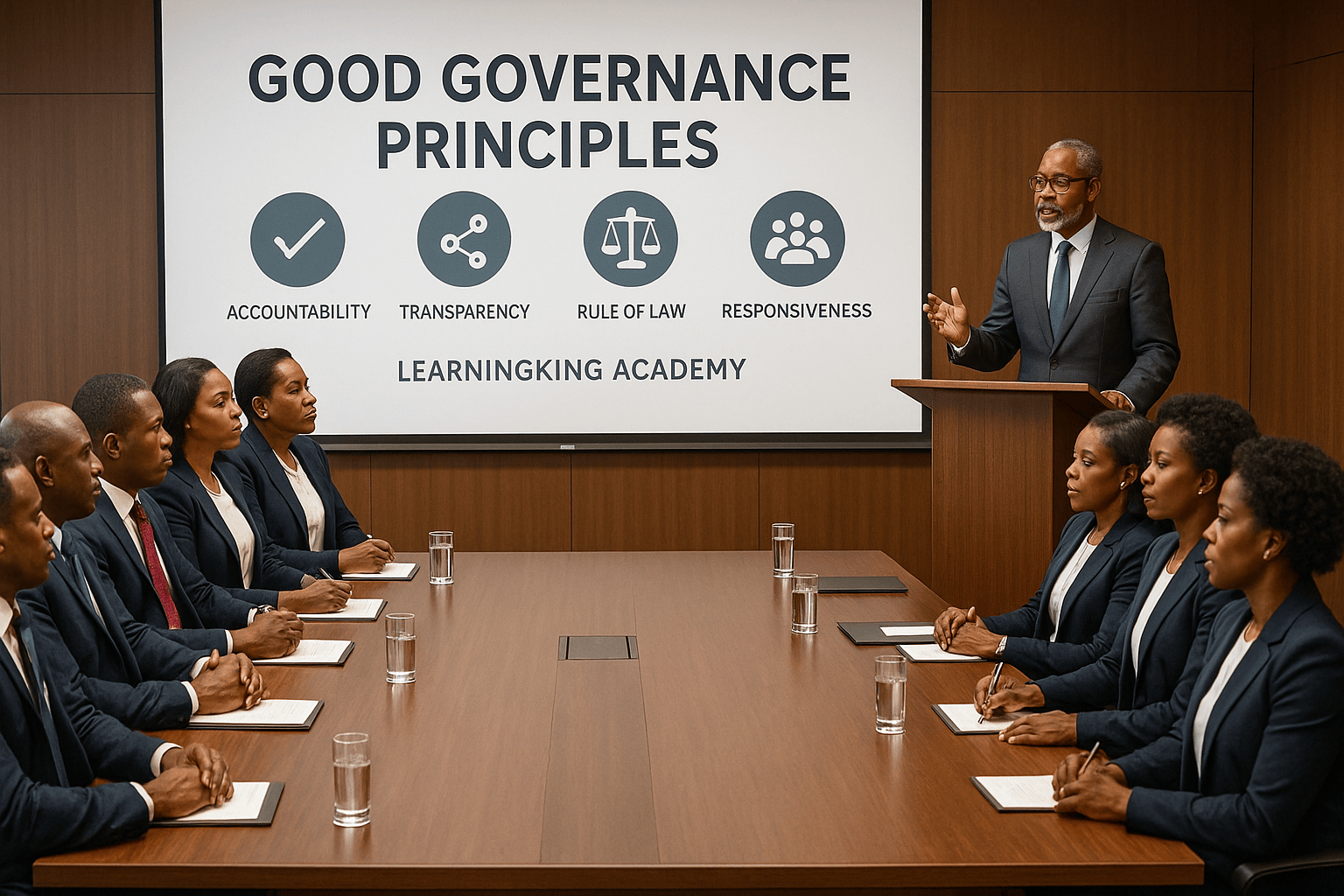
In todays interconnected world, governance excellence is no longer limited to compliance with rules and regulations; it has become a cornerstone of sustainable leadership, institutional trust, and long-term impact. Effective governance requires visionary leadership, ethical decision-making, robust accountability systems, and the ability to adapt to complex political, economic, and social dynamics. The course Governance Excellence equips top-level executives with modern approaches, frameworks, and tools to strengthen governance systems and lead with integrity, transparency, and innovation.

Effective public sector leadership is the cornerstone of good governance, policy implementation, and institutional transformation. Public Sector Management and Leadership is a high-level executive training program tailored to equip senior public officials with the competencies required to manage complex organizations, lead change, and deliver results in dynamic governance environments. With a focus on strategic thinking, ethical leadership, innovation, and public accountability, the course bridges the gap between administrative efficiency and visionary leadership.

High-performing public institutions are essential to achieving national development goals, delivering quality public services, and maintaining citizen trust. "Performance Management in the Public Sector" is a specialized training program crafted for senior executives who play a critical role in driving institutional effectiveness and accountability. This course empowers leaders to strategically plan, monitor, and evaluate performance at all levels of public sector organizationsensuring alignment with policy objectives and efficient use of resources.
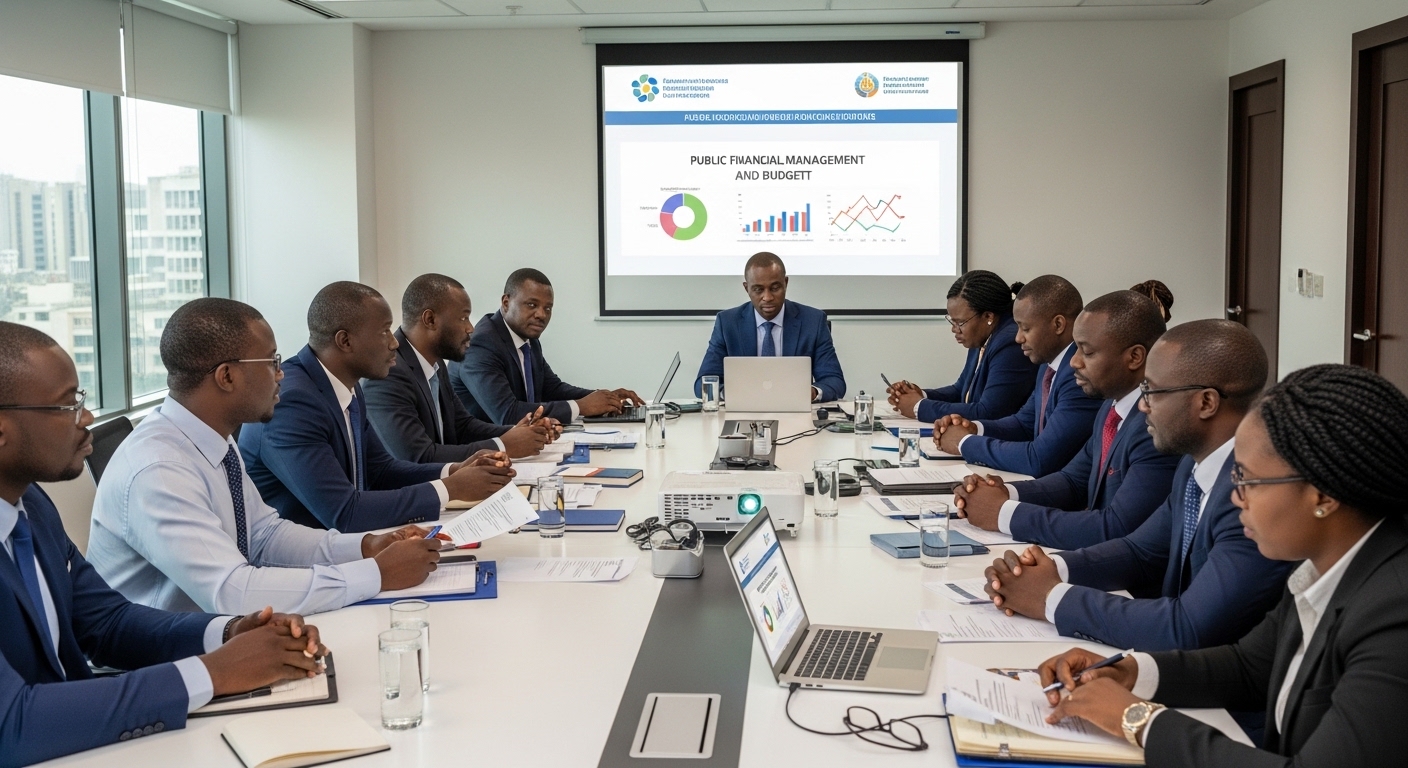
In an era of increasing fiscal constraints and growing demands for transparency and efficiency, robust public financial management (PFM) is essential to ensuring that public resources are used effectively to achieve policy outcomes and development goals. "Public Financial Management and Budgeting" is a high-level executive training program designed to enhance the financial leadership and strategic budgeting capabilities of senior public officials. The course provides an integrated understanding of the entire public finance cyclefrom budget formulation to execution, reporting, and accountability.

As digital technologies reshape economies, societies, and institutions, governments worldwide are under increasing pressure to modernize, innovate, and deliver citizen-centric services through digital platforms. "Digital Governance" is a high-level executive training program designed to equip senior public sector leaders with the knowledge and strategic capacity to lead digital transformation effectively. The course provides a comprehensive overview of how technology can be leveraged to enhance transparency, efficiency, accountability, and citizen engagement in governance.
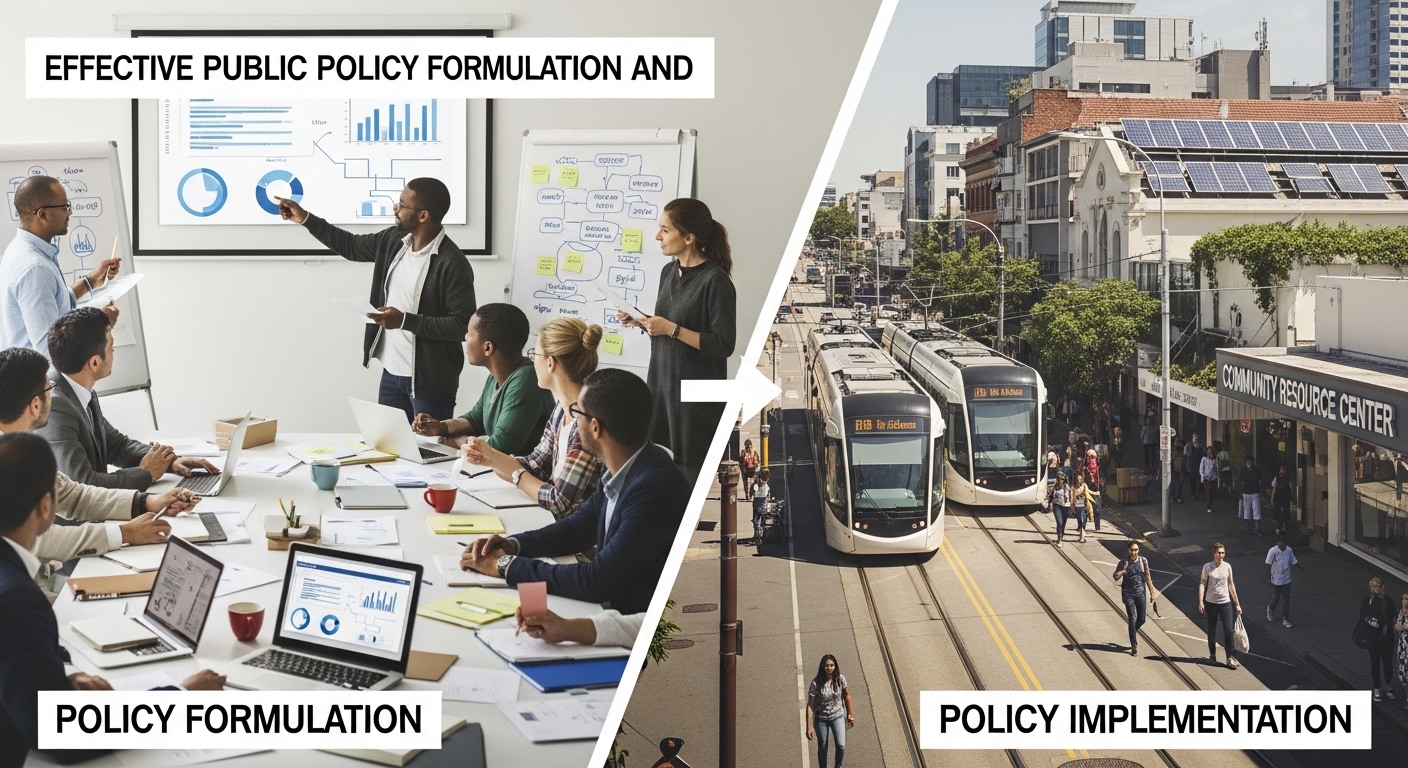
Public policy is at the core of effective governance and national development. For high-level executives, the ability to formulate and implement sound policies determines not only institutional credibility but also long-term social and economic impact. This course equips participants with advanced frameworks and methodologies for analyzing complex issues, designing responsive policies, and ensuring efficient implementation. It emphasizes evidence-based decision-making, cross-sector collaboration, and adaptive leadership as essential tools for navigating todays dynamic policy environment.By the end of the program, executives will be empowered to craft policies that drive transformation, enhance governance, and meet the evolving needs of citizens.

Economic development is central to achieving sustainable growth, reducing poverty, and enhancing national competitiveness. For high-level executives, strategic planning is not merely about drafting policies but about creating actionable, long-term frameworks that align resources, stakeholders, and institutions toward shared economic goals. This course equips leaders with the knowledge and skills to design, implement, and evaluate strategic plans that drive inclusive and resilient economic development. Through interactive discussions, case studies, and applied exercises, executives will gain insights into fostering economic transformation that balances growth, equity, and sustainability.

Public procurement plays a pivotal role in advancing national development by ensuring that resources are used effectively, transparently, and responsibly. For high-level executives, mastering procurement and contract management is essential to achieving value for money, building institutional credibility, and fostering public trust. This course equips leaders with advanced knowledge and tools to oversee procurement processes, manage contracts efficiently, and mitigate risks while upholding the highest ethical and governance standards. Participants will learn how to design effective procurement strategies, negotiate and manage contracts, handle disputes, and ensure compliance with legal and regulatory frameworks while driving efficiency and accountability.

In todays data-driven world, effective public policy depends on the ability of leaders to interpret, analyze, and apply data to complex governance challenges. High-level executives require more than just an understanding of statisticsthey need the strategic capability to use data as a foundation for decision-making, resource allocation, and performance measurement. This course equips participants with advanced skills in data analysis and interpretation, focusing on how evidence can be transformed into actionable policies that drive sustainable development. By mastering data analytics, executives will be able to enhance transparency, ensure accountability, and design evidence-based policies that effectively respond to societal needs.

In todays dynamic governance landscape, effective communication is at the heart of building trust, shaping public opinion, and driving policy success. For government leaders, strategic communication and public relations are no longer optional but essential tools for strengthening credibility, engaging citizens, and ensuring transparency. This course equips high-level executives with advanced communication strategies, public relations techniques, and leadership insights that enable them to navigate complex media environments, manage crises, and influence stakeholders with integrity.By the end of this course, participants will possess the expertise to design and execute communication strategies that support national development goals and foster lasting public trust.

Administrative law and public service ethics are fundamental pillars of good governance and effective public administration. For high-level executives, a strong grasp of administrative law ensures lawful decision-making, institutional accountability, and the protection of citizens rights. At the same time, ethical conduct in public service is vital for building public trust, maintaining integrity, and promoting transparency. This course equips senior leaders with the knowledge and tools to navigate the legal frameworks that govern administrative actions while upholding the highest ethical standards in public service delivery. By the end of this course, executives will be empowered to exercise their authority responsibly while modeling ethical leadership in government institutions.

Service delivery is at the core of public administration, shaping how citizens experience governance and trust in institutions. For high-level executives, achieving service delivery excellence requires more than efficient systemsit demands strategic vision, citizen-centered approaches, ethical leadership, and the ability to innovate within resource and policy constraints. This course equips executives with the tools to improve public service outcomes, strengthen accountability, and build institutions that meet the needs and expectations of citizens effectively.By the end of the course, participants will be well-prepared to design and implement strategies that not only improve efficiency but also enhance trust, transparency, and long-term sustainability in public service delivery.

Every successful initiative begins with a well-structured plan and strong project management practices. Project planning and management provide the foundation for achieving organizational goals by ensuring that projects are delivered on time, within budget, and aligned with business objectives. This course introduces participants to the essential principles, tools, and techniques of project planning and management, equipping them with practical skills to initiate, plan, execute, monitor, and close projects effectively.

Results-Based Monitoring and Evaluation (RBM&E) is a critical skill for organizations and employees seeking to achieve tangible impact from their projects and programs. Unlike traditional approaches that focus only on activities and outputs, RBM&E emphasizes outcomes, impact, and accountabilityensuring that every initiative directly contributes to organizational goals and community transformation. This modern approach enables employees to design, track, and evaluate projects with clear evidence, supporting decision-making and demonstrating value for money to stakeholders.